Introduction to the working performance of brushless motors.
Brushless DC motor, also known as DC frequency converter, has the characteristics of a DC brushed motor and is a device for frequency variation. The international term is BLDC. The operating efficiency, low-speed torque, and speed accuracy of brushless DC motors are better than any control technology inverter, so they deserve attention from the industry.
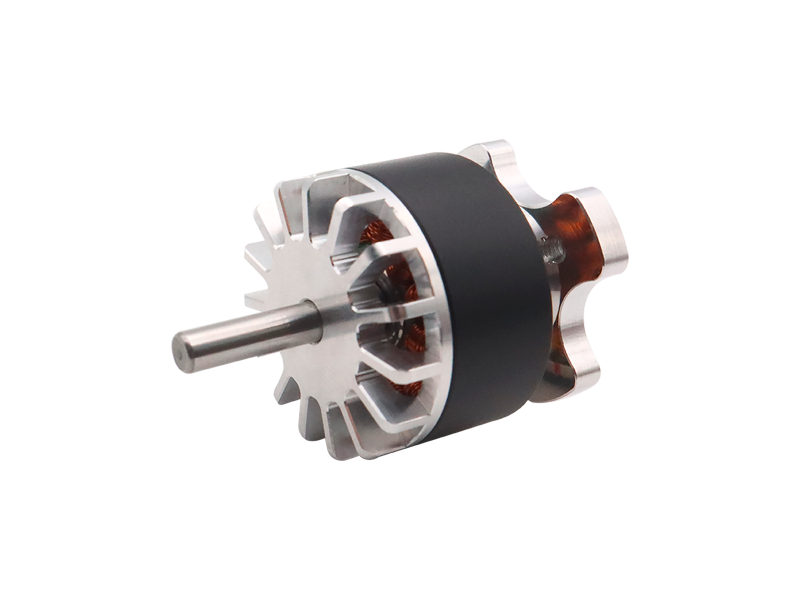
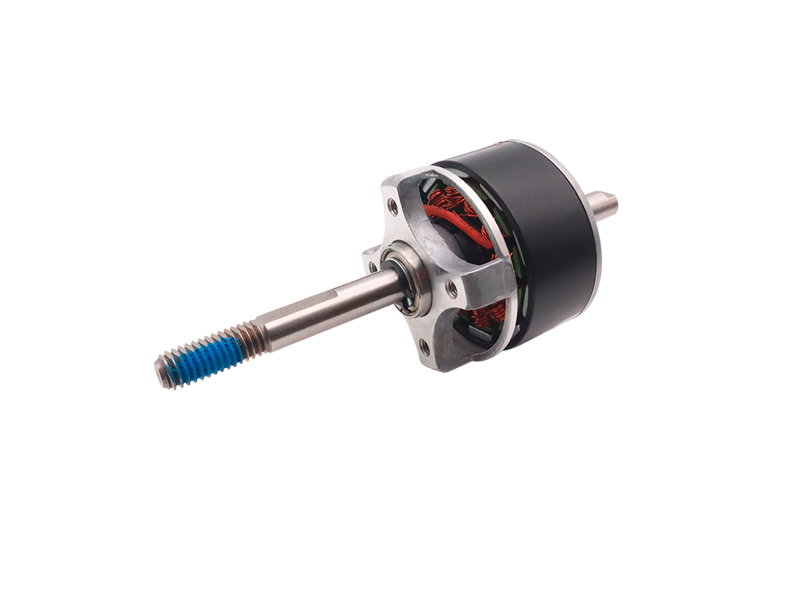
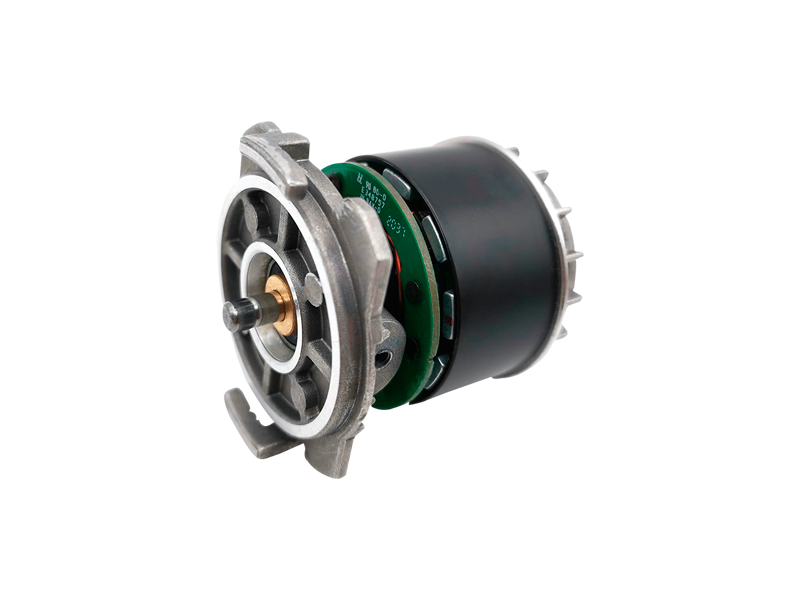
Structurally, there are similarities between brushless motors and brushed motors, including rotors and stators, but the structure is opposite to that of brushed motors; The rotor of a brushed motor is a coil winding connected to the power output shaft, and the stator is made of permanent magnet steel; The rotor of a brushless motor is made of permanent magnet steel, which is connected to the output shaft along with the housing. The stator is a winding coil, and the commutation brush used to alternately transform the electromagnetic field in a brushed motor is removed. Therefore, it is called a brushless motor.

Brushless and low interference brushless motors remove electric brushes, and the most direct change is the absence of electric sparks generated during the operation of brushed motors, greatly reducing the interference of electric sparks on remote control radio equipment.
Low noise and smooth operation. Brushless motors without brushes greatly reduce friction during operation, resulting in smoother operation and much lower noise. This advantage is a huge support for the stability of model operation. Long lifespan and low maintenance cost.