DC brushless motor manufacturer explains its composition and uses.
The DC brushless motor manufacturer's
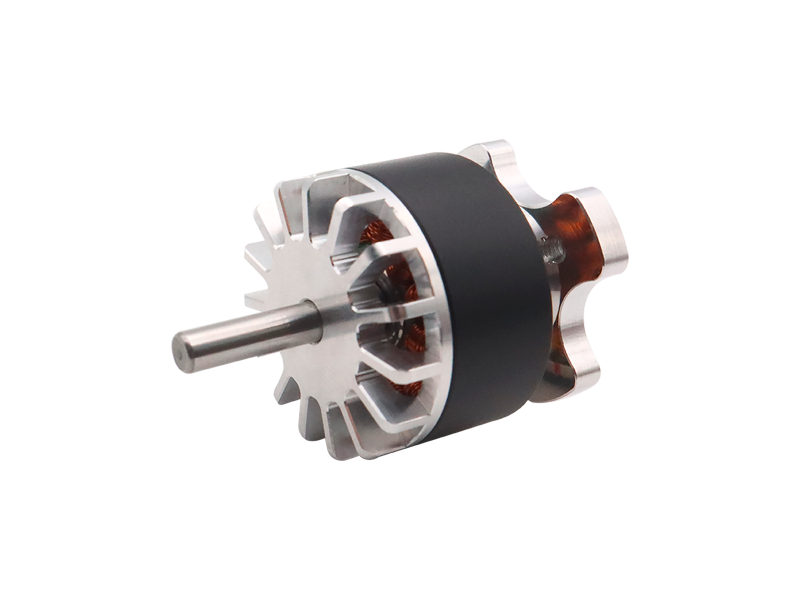
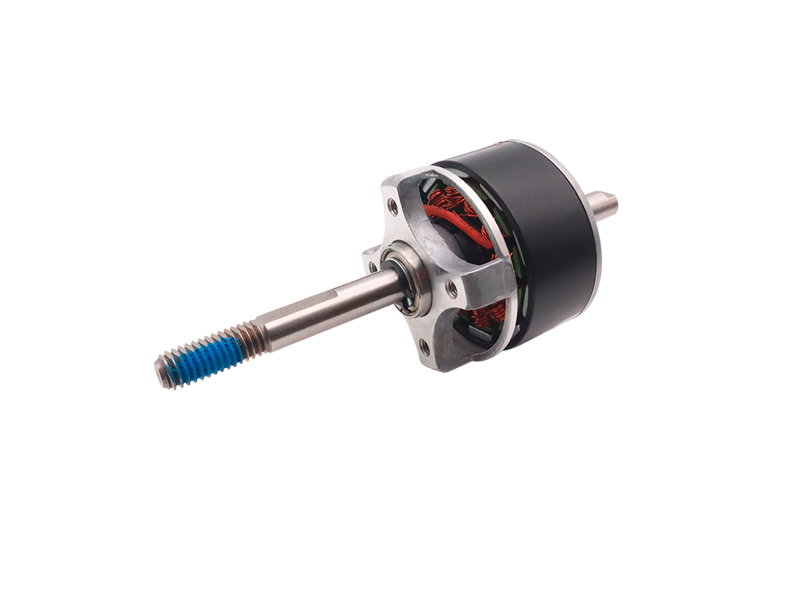
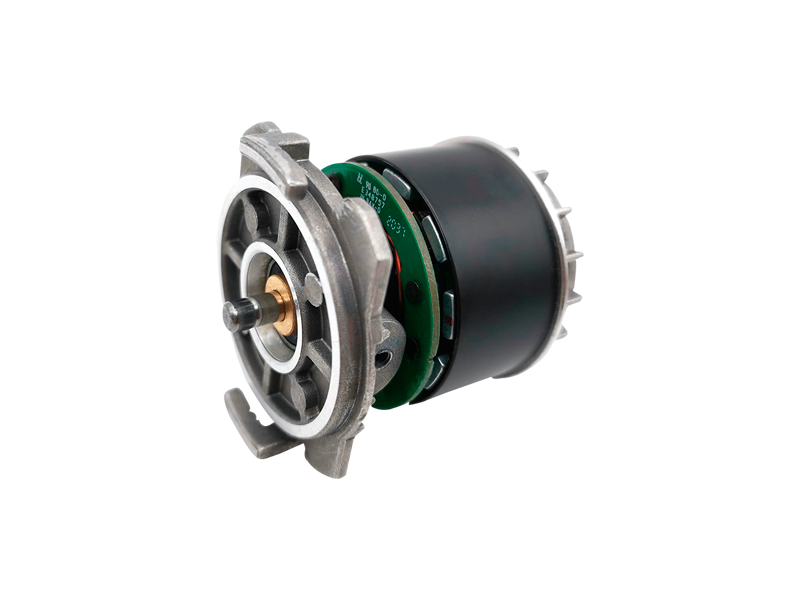
DC brushless motor consists of a motor body and a driver, and is a typical electromechanical integrated product. The stator winding of an electric motor is often made into a three-phase symmetrical star connection, which is very similar to three-phase asynchronous motors. There are magnetized permanent magnets attached to the rotor of the electric motor. In order to detect the polarity of the motor rotor, a position sensor is installed inside the motor. The driver is composed of power electronic devices and integrated circuits, and its function is to receive the start, stop, and brake signals of the motor to control the start, stop, and brake of the motor; Receive position sensor signals and forward/reverse signals to control the on/off of each power transistor in the inverter bridge, generating continuous torque; Accept speed commands and speed feedback signals to control and adjust the speed; Provide protection and display, etc.

DC brushless motors have fast response, large starting torque, and the ability to provide rated torque from zero speed to rated speed. However, the advantages of DC motors are also their disadvantages, because in order to generate constant torque under rated load, the armature magnetic field and rotor magnetic field must be maintained at a constant 90 ° angle, which requires the use of carbon brushes and rectifiers. Carbon brushes and rectifiers generate sparks and carbon powder when the motor rotates, which not only causes component damage, but also limits their usage. AC motors do not have carbon brushes or rectifiers, are maintenance free, sturdy, and widely used. However, to achieve performance equivalent to DC motors in terms of characteristics, complex control technology is required. The rapid development of semiconductors nowadays has greatly accelerated the switching frequency of power components, improving the performance of drive motors. The speed of microprocessors is also increasing, which can realize the control of AC motors in a rotating two axis Cartesian coordinate system, and appropriately control the current components of AC motors in both axes, achieving similar performance to DC motor control and comparable to DC motors.