Detailed comparison of lifespan between
brushless motors and brushed motors
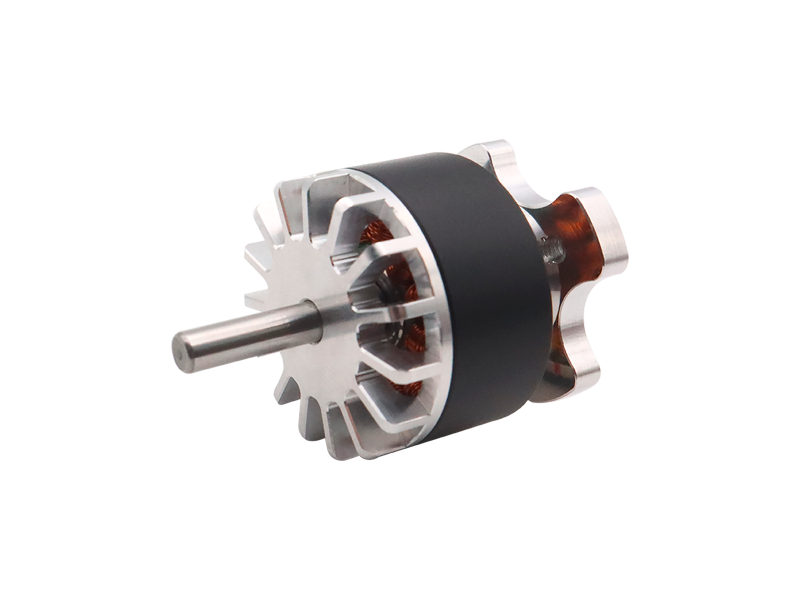
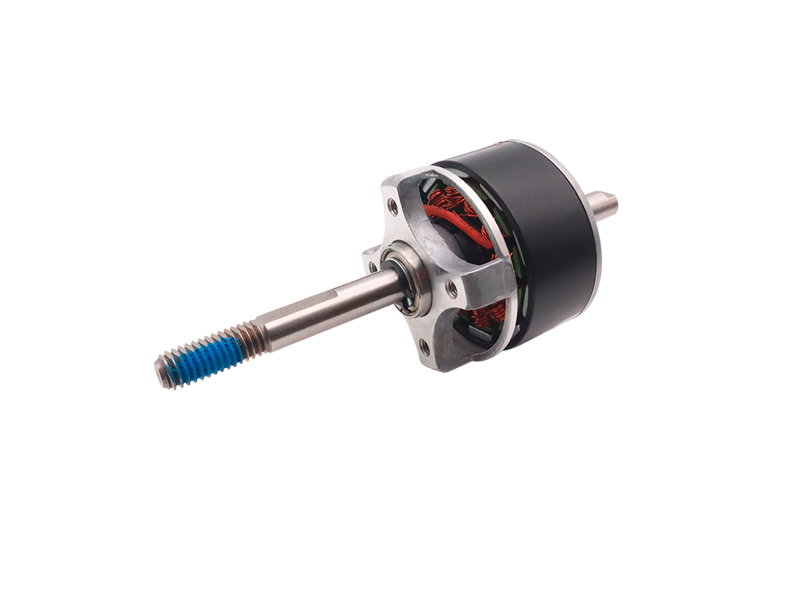
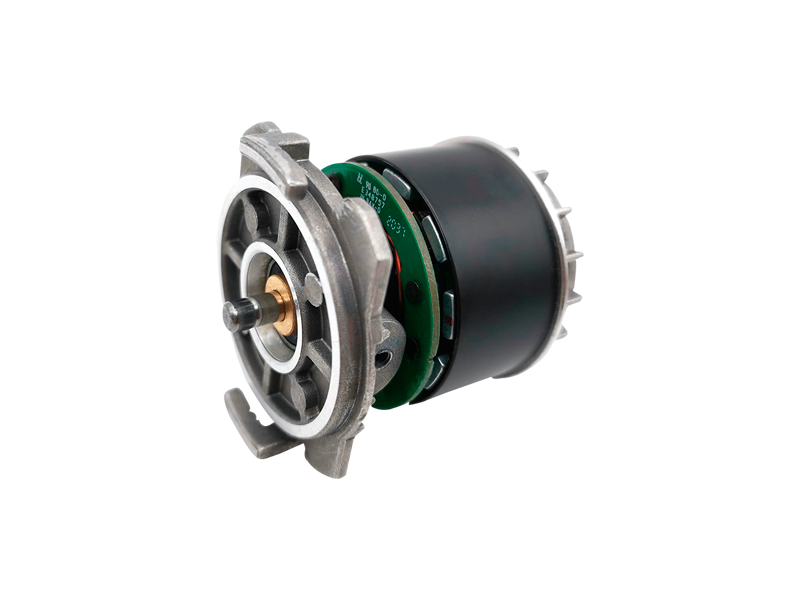
The service life of brushless motors is significantly longer than that of brushed motors, usually between 7 and 10 years.
By comparison, brushed motors have a lifespan of only 2 to 3 years and require frequent replacement of carbon brushes to maintain operation.
Differences in core lifespan
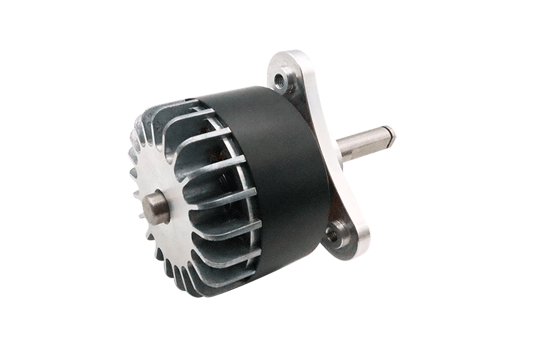
Brushless motor lifespan:
The continuous working hours can reach 20000 to 30000 hours (about 7-10 years), and may be longer under low load and ideal working conditions.
By adopting electronic commutation technology, mechanical friction is avoided, and aging is mainly caused by slight wear of the bearings.
Lifespan of brushed motor:
The average continuous working time is only about 5000 hours (about 2-3 years), and the repeated friction between the carbon brush and commutator leads to rapid wear and tear.
Carbon brushes need to be replaced and carbon deposits cleaned every six months, which incurs high maintenance costs and performance decreases with wear and tear.
Reasons for differences in lifespan
The difference in lifespan is mainly due to structural design and working mechanism. Brushless motors achieve commutation through electronic controllers, reducing physical contact and heat generation, with an efficiency of up to 85-90%; Brushed motors rely on carbon brush friction to generate sparks and electromagnetic interference, accelerating component aging.
In addition, brushless motors are more stable in high temperature or high load environments and have less impact on their lifespan, while brushed motors may have their lifespan halved under the same conditions.
Influencing factors and maintenance recommendations
Key factors: load intensity (recommended not to exceed 85% of rated power), ambient temperature (every 10 ° C increase may shorten lifespan), and regular maintenance (such as dust removal).
Application scenarios: Brushless motors are suitable for industrial equipment or high-frequency usage scenarios (such as drones), while brushed motors are only suitable for low-cost, short-term applications (such as simple tools).
Overall, brushless motors have advantages in durability and maintenance costs.