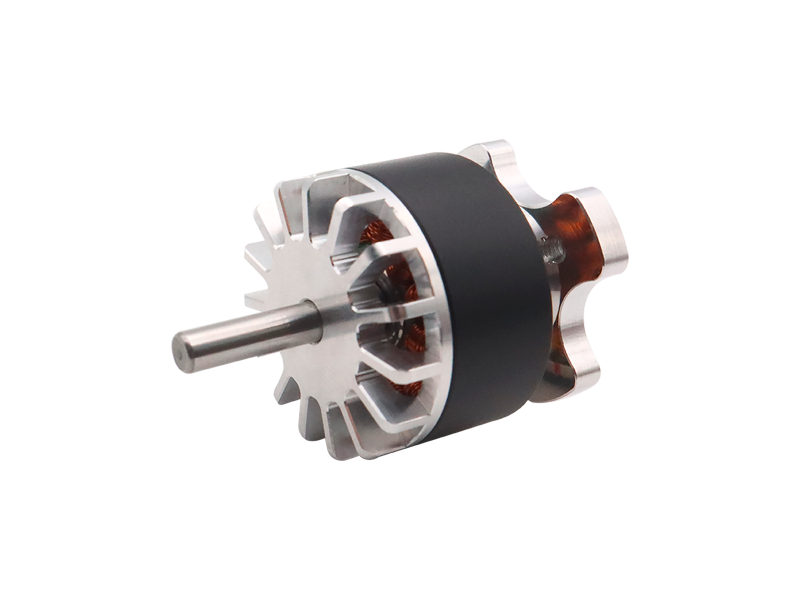
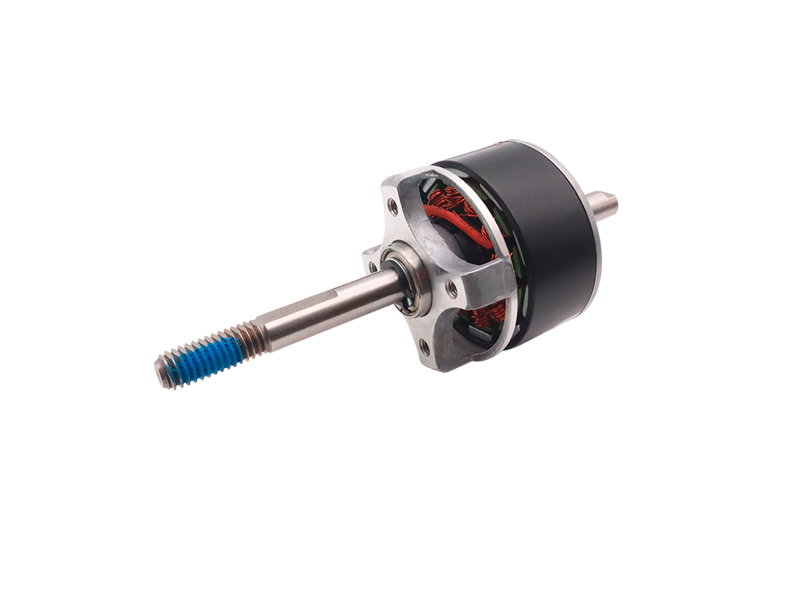
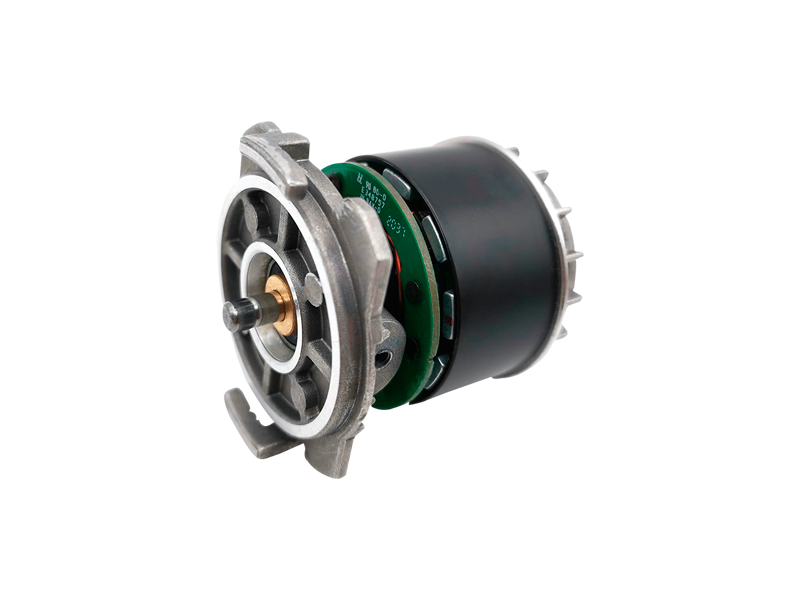
Comparison and consideration of brushed and brushless motors.
When choosing electric vehicle motors, users often encounter a difficult problem: is the motor brushed or brushless better? What is the difference between these two types of motors? Next, we will delve into the characteristics of brushed and brushless motors to help you make informed choices.
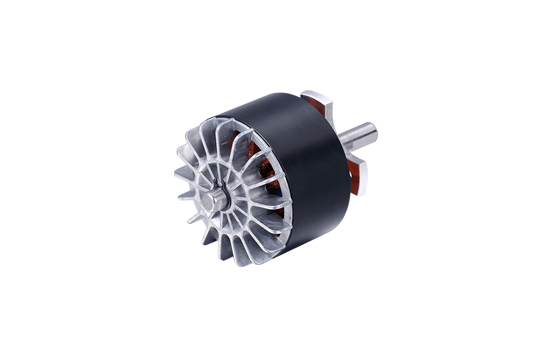
Firstly, let's learn about
brushed motors. Brushed motor, as the name suggests, is a traditional type of electric vehicle motor with carbon brushes. Its key components include carbon brushes, inverters, motor rotors, motor stators, motor shafts, motor end caps, and bearings. It connects the current of the rotor to the voltage regulating device through electric brushes, thereby achieving voltage regulation function.
The significant advantages of brushed motors are their simple structure, low cost, and excellent performance in starting and braking. Especially at low speeds, brushed motors exhibit excellent torque performance and greater torque.
However, brushed motors also have some drawbacks that cannot be ignored. Due to the fast wear rate of carbon brushes, frequent maintenance is required. Compared with brushless motors, it has a higher noise level, lower efficiency, and is more susceptible to environmental factors such as demagnetization, thereby shortening its service life.
Brushless motor, which does not contain carbon brushes, works by connecting with the excitation machine and voltage regulating device to achieve voltage regulation function. Compared to brushed motors, brushless motors exhibit stronger anti-interference ability, lower operating noise, and higher efficiency. In addition, its longer service life means that there is basically no need for maintenance. However, brushless motors also have the problem of high cost, and their power consumption will increase when encountering demagnetization of the motor.
From a practical application perspective, the application of brushless motors in the market has significantly surpassed that of brushed motors. In the current field of electric two wheelers, almost all electric vehicles have chosen brushless motors, and this trend also applies to electric three wheelers and electric four wheelers. However, in heavy-duty electric tricycles, their use is still relatively common due to the specific advantages of brushed motors.