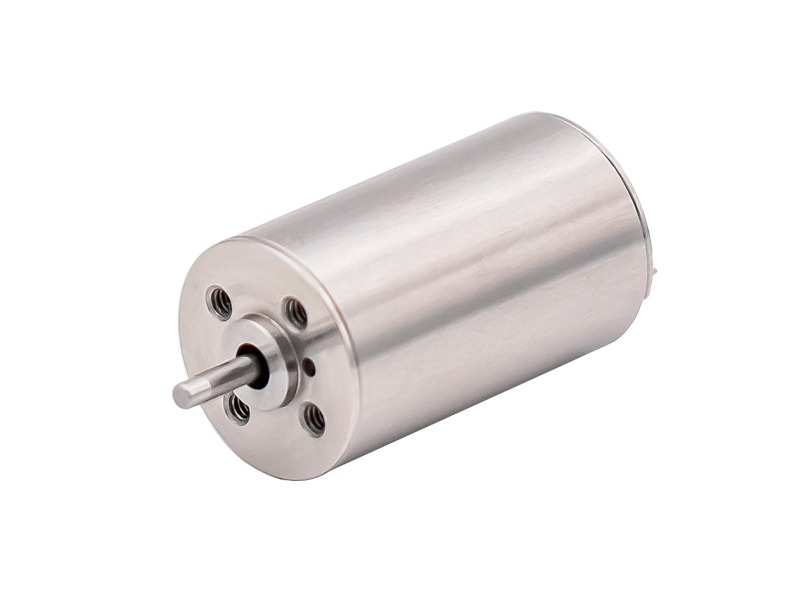
From brushed to brushless! Why are all motors using brushless technology now?
Electric vehicles, fans, water pumps, small car motors, and small household appliances used to have brushed motors in the early years, but now new models are all replaced with brushless motors.
Many customers have doubts about the selection: where is the price difference? Why are manufacturers flocking to replace brushless devices?
A clear explanation of the underlying logic of motor classification and brushless popularization in plain language.
1、 Three common types of motors on the market
The brushed DC motor (old classic model) relies on the mechanical contact of carbon brush and commutator to reverse and energize, and the energized carbon brush rubs against the rotor to rotate. Advantages: simple wiring, cheap drive, low controller cost Disadvantages: carbon brush wear, sparks, short lifespan Applicable: old-fashioned toys, cheap small fans, old car motors
AC asynchronous motor (industrial high-power) is used for household air conditioning outdoor units, industrial water pumps, and three-phase high-power equipment, driven by AC power frequency. Features: Large size, high startup power consumption, and troublesome speed regulation.
BLDC brushless DC motors (currently mainstream) eliminate the carbon brush structure and rely on circuit boards and MOS tubes for electrically controlled commutation, driving the rotor through magnetic field switching.
Nowadays, new energy vehicles, car fuel pumps, cooling fans, household appliances, electric tools and other equipment are the preferred choices.
2、 Why are various industries crazily switching to brushless motors?
Without carbon brushes, the service life can be extended several times. Brushed motors rely on the friction of carbon brushes, and the carbon powder wears out after long-term operation. The carbon brush needs to be replaced after thousands to tens of thousands of hours; Brushless and without physical friction loss, starting from tens of thousands of hours of normal use, the car equipment can easily withstand 8-10 years of vehicle life, greatly reducing after-sales maintenance.
● Energy saving and energy-saving, with obvious advantages in battery life/power consumption. With the same power, the brushless energy utilization rate is over 85%, while the brushed one is generally only about 60%. Electric vehicle: With the same battery, it can run farther without a brush; Car mounted fan/oil pump: consumes less power and reduces battery loss throughout the vehicle; Long term mass production use, energy saving means cost reduction.
Silent operation, no electric spark interference, brushed carbon brush friction ignition: loud noise, electric spark interference with car wiring harness, easy to interfere with radio and car circuit; Brushless electronic reversing, smooth and quiet operation, low electromagnetic interference, especially suitable for precision electronic control environments in automobiles.
Stable temperature control, smooth speed regulation with driver board and MOS, infinitely variable speed: low speed without fatigue, high speed without overheating; The speed regulation of brushed motors relies on current limiting, resulting in severe heating at low speeds and accelerated carbon brush aging at high temperatures. Car mounted fans and water pumps need to automatically change speed according to temperature, and are naturally compatible with brushless technology.
High temperature resistance and durability in harsh environments. The engine compartment of the car is exposed to high temperatures, bumps, and humid environments, and there is wear and tear caused by high temperature acceleration of the carbon brush; Brushless fully sealed stator structure, temperature resistant, earthquake resistant, moisture-proof, suitable for harsh working conditions in vehicles.
3、 The only shortcoming is that brushless technology requires a matching driver IC, MOS power transistor, and PCB control board, resulting in higher overall material costs compared to brushed technology; But with the localization and price reduction of MOS and chips, the prices of accessories have been decreasing year by year, and the comprehensive life cycle (less maintenance, power saving) is actually more cost-effective, which is also the key factor for factories to be willing to upgrade.
4、 Usage scenario (visible everywhere in daily life)
● In car: car cooling fan, oil pump, water pump, window motor, new energy vehicle air conditioning, etc
Civilian use: floor fans, wall breaking machines, drones, lithium battery tools, vacuum cleaners, sweepers, etc
● Industrial control: Small water pumps, industrial fans, special cloud pool machines, etc. In the short term, the unit price for brushless procurement is slightly higher;
Long term perspective: long lifespan, energy-saving, low failure rate, and adaptability to intelligent speed regulation. Under the trend of intelligence and new energy, it is inevitable for the industry to replace brushed technology with brushless technology.