What are the types of motors used in robotic vacuum cleaners?
With the rapid development of various smart homes in recent years, a wide range of smart home products have entered people's lives, and smart vacuum cleaners have a very high usage rate in smart homes. The vacuum cleaner can create a vacuum inside the main unit through the high-speed rotation of the motor, generating high-speed airflow to suck in garbage into the main unit. The high-speed rotation of the vacuum cleaner's motor can bring the garbage into the air inlet.
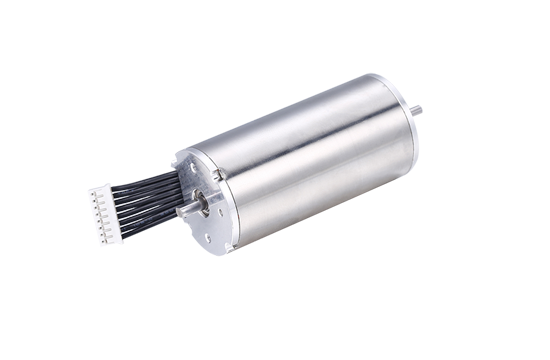
The motor of a robot vacuum cleaner is crucial. Its quality directly impacts the cleaning efficiency of the robot. The motor of a robot vacuum cleaner features high speed, strong suction, long service life, and low noise.
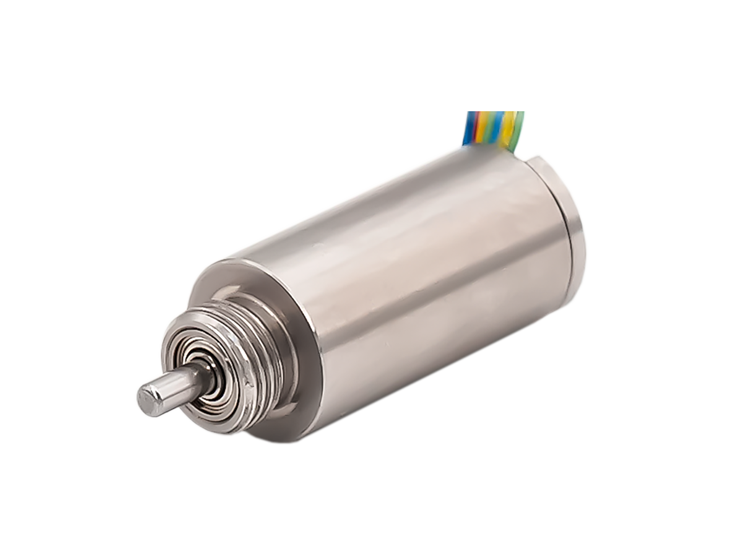
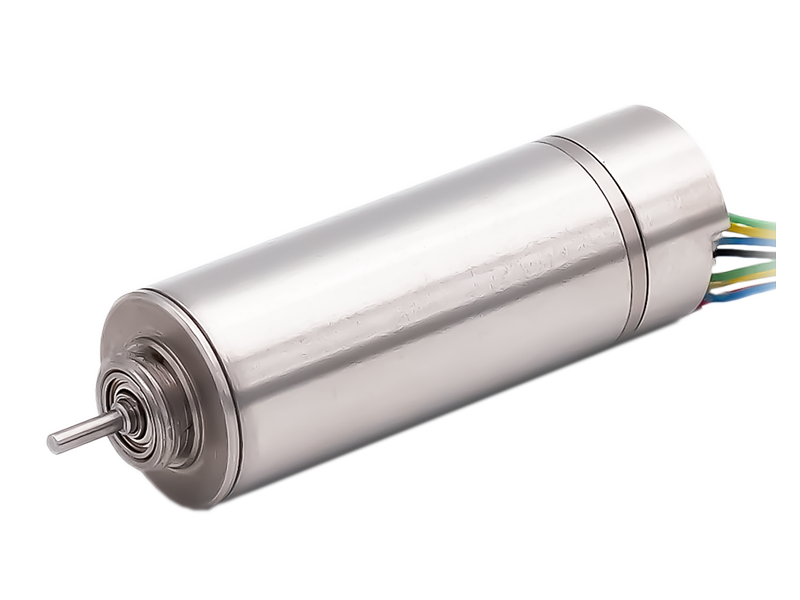
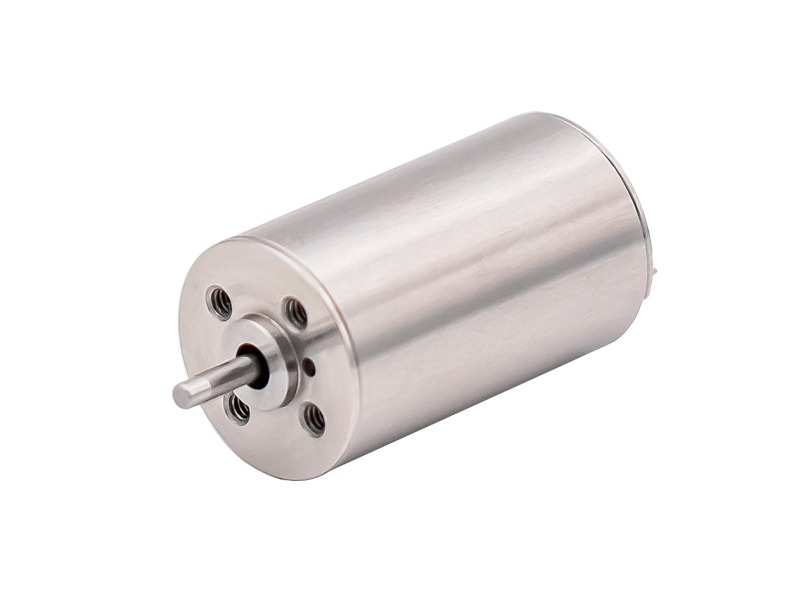
So what are the motors used in robot vacuum cleaners? There are two common types. The first is the motor that drives the robot vacuum cleaner to move and rotate, and the second is the motor that drives the robot vacuum cleaner's brush. Robot vacuum cleaner motors can use DC motors and stepper motors.
1. Brushless motors are a common type of output motor in the market, capable of rapid rotation. When spinning at high speed, they drive the tail brush to rotate, cleaning dust from the ground. The bottom brush motor adopts a low-noise, low-speed
brushless DC motor.
2. Control the forward and backward movement of the robot vacuum cleaner, and control the left and right detection movement of the infrared camera. This kind of motor is generally driven by a stepper motor, which can accurately control the trajectory and the number of steps. It has a built-in brake function and rotates according to the frequency, without rotating due to inertia or gravity.
The rotation is set according to the frequency, and after analyzing the infrared detection data, the data analysis provides the frequency to the motor, which drives the robot cleaner to reach the designated location.
The voltage, resistance, wire length, shaft length (flat position), reduction ratio, and terminals of the stepper motor are customized according to the designer's requirements. They are tested based on these specifications, and can only be driven after being matched according to strict parameter settings.
For the stability of operation and the full functionality of the motor, a control board is required to drive the stepper motor.