What are the types of brushless motors.
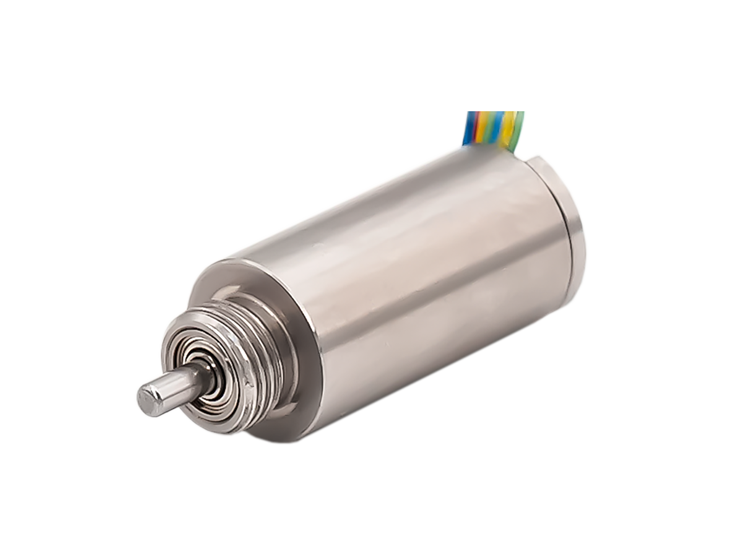
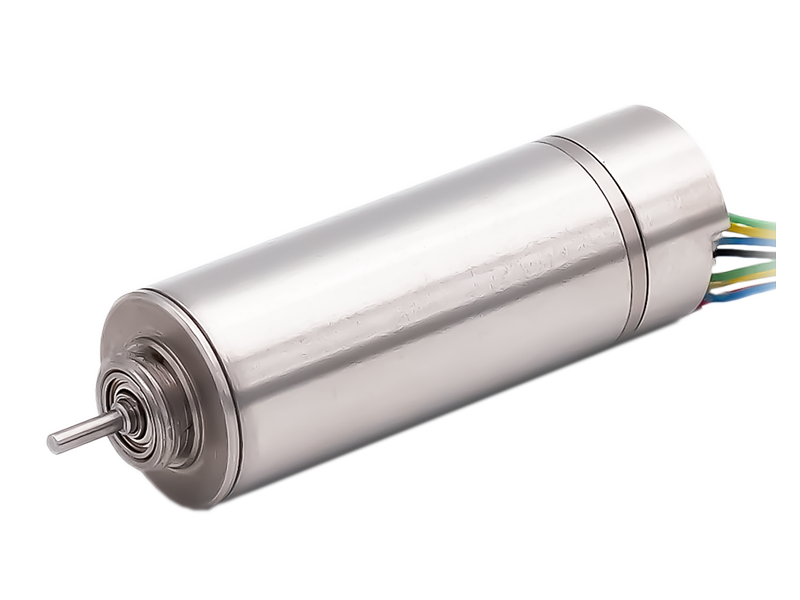
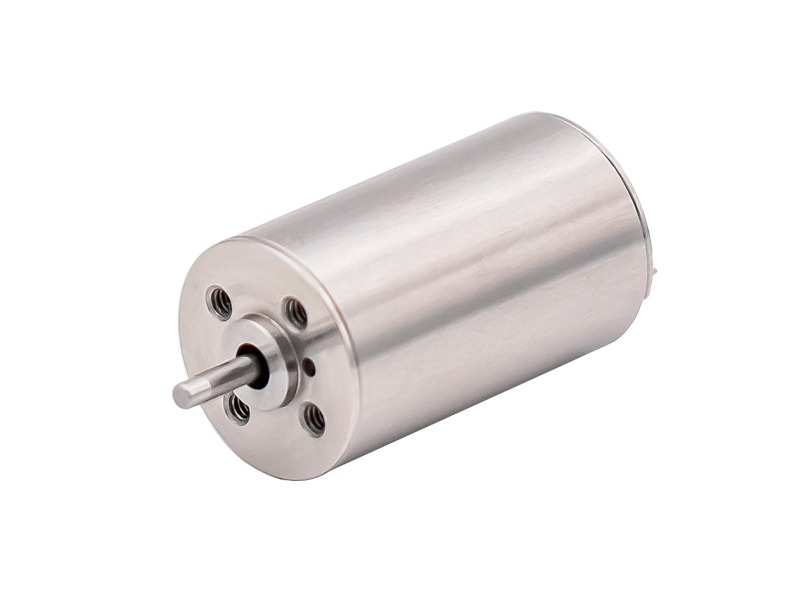
DC brushless motors have penetrated into various fields of production and life due to their advantages of high efficiency, low noise, and long lifespan. Unlike traditional brushed motors, it improves performance through electronic commutation and is not a single category. According to structural differences, the inner rotor, outer rotor, and hollow cup brushless motor are the three core types, each with its own advantages and disadvantages, and their adaptation scenarios are also completely different.
Internal rotor brushless motor: high-speed and efficient power source
Its core structure is "rotor inside, stator outside". The rotor is composed of permanent magnets, and the stator coils are controlled by a controller to generate a rotating magnetic field that drives the rotor by supplying DC electricity with periodic changes in direction (simulating alternating magnetic field effects). The advantages are high rotational speed (up to tens of thousands of revolutions), fast response, high efficiency (over 85%), compact structure, and low energy loss; The disadvantage is that the torque is relatively small, and it needs to be matched with a reducer under high loads.
In terms of applications, new energy vehicle drive systems, household air conditioning compressors, electric tools (drills, cutting machines), and computer hard disk drives all rely on their high-speed and efficient characteristics.
External rotor brushless motor: stable performance with high torque
Adopting the structure of "stator centered and rotor wrapped", the rotor has a larger rotation radius and stronger torque under the same conditions. The stator coil also generates a rotating magnetic field by cyclically switching the direction of direct current input through the controller. The advantages are high torque, smooth operation, strong resistance to load fluctuations, and the ability to achieve low-speed output without the need for additional reducers; The disadvantage is that most of them have low rotational speeds (except for drone motors), slow startup and speed response, and relatively large volume.
Drone propeller drive, elevator door system, escalator drive, and large industrial fans are typical application scenarios, with the core requirement being stable high torque.
Hollow cup brushless motor: a pioneer in micro precision energy
The rotor is a coreless hollow cup-shaped coil, which is wrapped around the permanent magnet stator. The stator magnetic field interacts with the directionally controllable direct current in the rotor coil to drive rotation. The advantages are small size, light weight, extremely high efficiency (over 95%), no electromagnetic noise, and a response time of milliseconds; The disadvantages are low torque, limited power, and high cost.
Mainly used in precision scenarios, such as medical devices such as pacemakers and insulin pumps, industrial precision instrument pointer drives, as well as robot joints and aerospace micro devices.