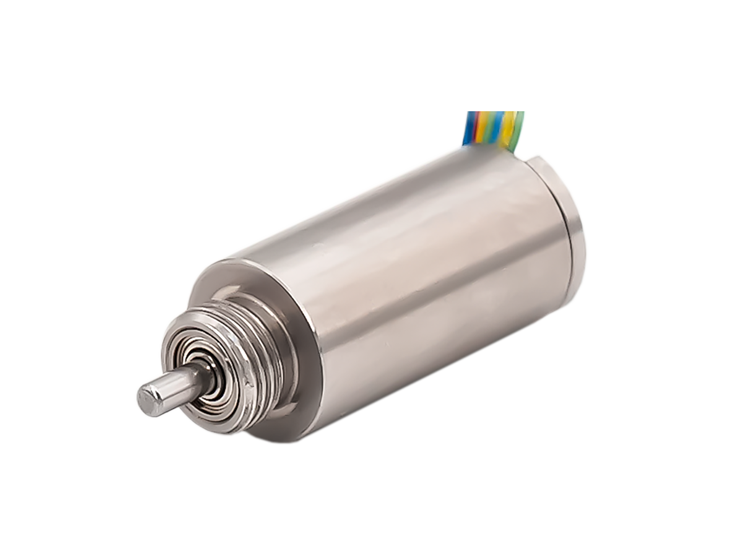
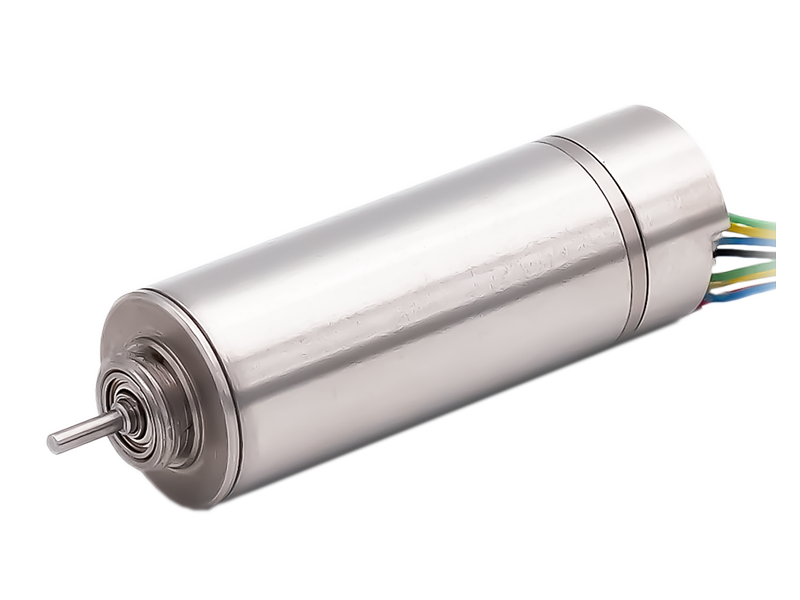
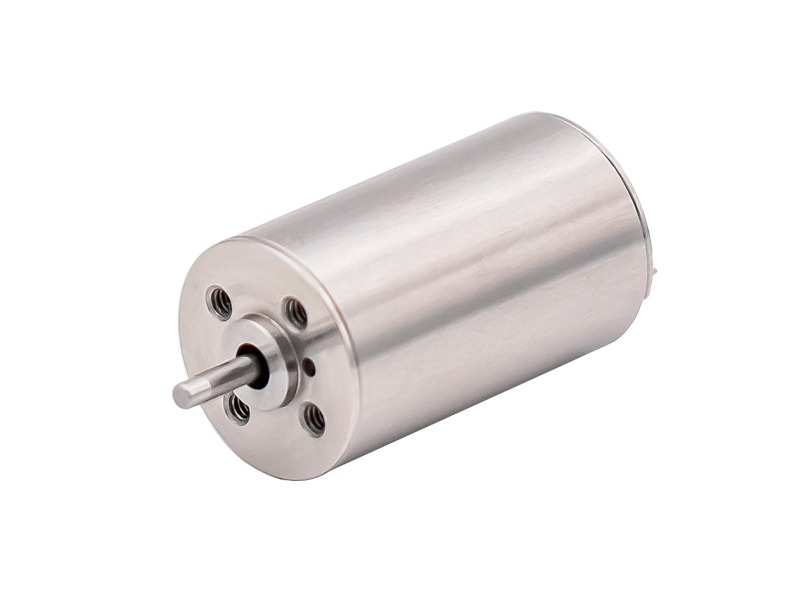
Unveiling the mainstream solutions for joint motors in humanoid robots.
In previous articles, we have introduced a lot of knowledge about robot motors. Today, we will continue to look at the joint motor solutions of several mainstream humanoid robots.
The actuator schemes suitable for high dynamic performance robots are divided into three categories: high reduction ratio motors with torque sensors, series elastic actuators (SEA), and semi direct drive motors (QDD). The (frameless) torque motor, also known as permanent magnet brushless DC (frameless) torque motor, is characterized by a large diameter to length ratio and a large number of magnetic poles, which ensure its good high torque output performance and also exhibit low speed characteristics.
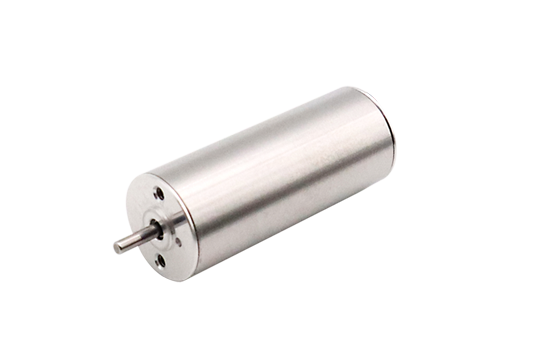
These types of motors often appear in frameless form, making it convenient for users to integrate them into the corresponding robot joint module (driver). The most typical one is the ontology driver proposed by the MIT Cheetah team, which is characterized by integrating a gearbox with a small reduction ratio of less than 10 to further meet the application characteristics of low-speed and high torque robots. It generally does not use additional torque sensors and achieves force control through current closed-loop. The permanent magnet can be used as the inner rotor (Cheetah first generation version) or the outer rotor (Cheetah Mini version). Any joint driver that integrates a high reduction ratio harmonic reducer can easily achieve an output density of over 150 Nm.
The Tesla Optimus joint module uses frameless torque motors, while the dexterous hand uses hollow cup motors. The Tesla Optimus has 40 degrees of freedom, corresponding to 40 servo joints. The usage positions of each joint on the robot end are not consistent, and the corresponding output characteristics (output torque, output speed, positioning accuracy, rotational stiffness, force perception, self-locking, volume) will be different. According to the principle, the 40 joints of the Tesla Optimus can be divided into three categories:
Rotating joint module (x14): frameless torque motor+harmonic reducer+force sensor+encoder (x2)+driver+joint CNC parts
Linear Joint Module (x14): Frameless Torque Motor+Planetary Roller Screw+Force Sensor+Encoder+Driver+Joint CNC Parts
Agile Hand Model Set (x12): Hollow Cup Motor+Micro Multi stage Planetary Gearbox+Worm Gear+Encoder+Driver. Hamernaco proposed a new solution for the dexterous hand of humanoid robots using a "dedicated servo motor+micro harmonic" drive module at the Q3 financial report conference in 2023. It is expected that a single finger will use 3 micro harmonic reducers, and a total of 30 micro harmonic reducers will be used for both hands.