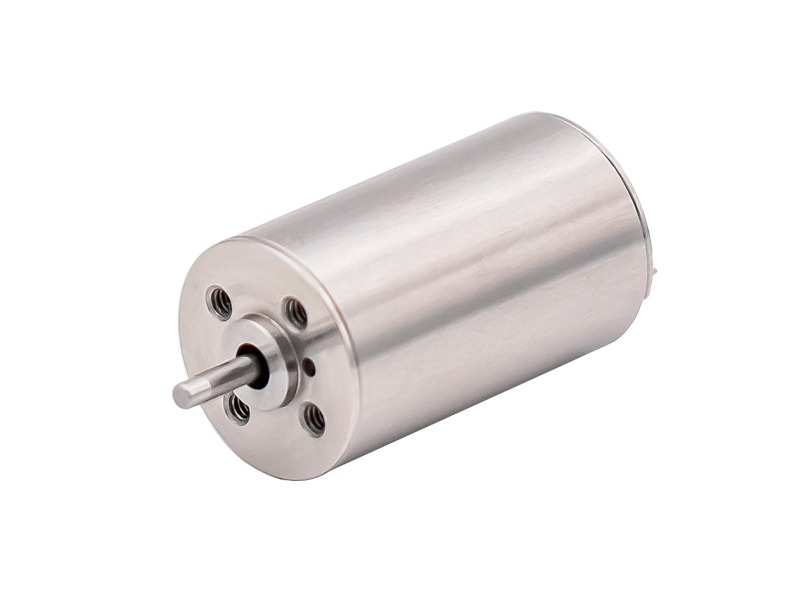
Precautions for using brushless DC motors.
DC brushless motor consists of a motor body and a driver, and is a typical electromechanical integrated product that has been widely used in multiple fields. As a hot product in the current motor market, the use of DC brushless motors also requires special attention. Today, Topband Motor will focus on introducing them to you.
1. Before disassembly, use compressed air to blow off the dust on the surface of the motor and wipe the surface dirt clean.
2. Choose a work location for dismantling the motor and clean up the on-site environment.
3. Familiar with the structural characteristics and maintenance technical requirements of motors.
4. Prepare the necessary tools (including specialized tools) and equipment for disassembly.
5. In order to further understand the defects in the operation of DC brushless motors, an inspection test can be conducted before disassembly if conditions permit. To this end, put the motor on load for a trial run, carefully check the temperature, sound, vibration, and other conditions of each part of the motor, and test the voltage, current, speed, etc. Then disconnect the load and conduct a separate no-load inspection test to measure the no-load current and no-load loss, and keep records.
6. Cut off the power, remove the external wiring of the motor, and keep a record.
7. Select a suitable voltage megohmmeter to test the insulation resistance of the motor. In order to compare the insulation resistance values measured during the last maintenance to determine the insulation change trend and insulation status of the motor, the insulation resistance values measured at different temperatures should be converted to the same temperature, generally to 75 ℃.
8. Test the absorption ratio K. When the absorption ratio is greater than 1.33, it indicates that the motor insulation has not been affected by moisture or the degree of moisture is not severe. In order to compare with previous data, it is also necessary to convert the absorption ratio measured at any temperature to the same temperature.