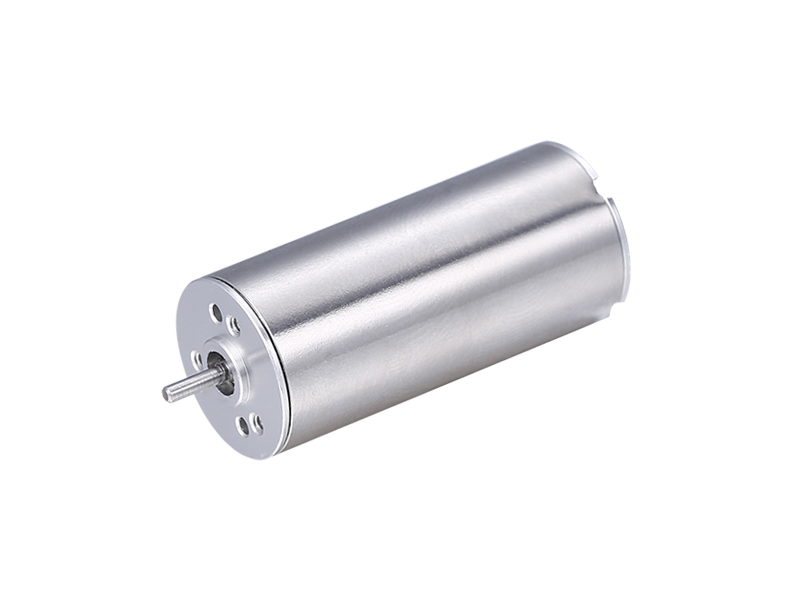
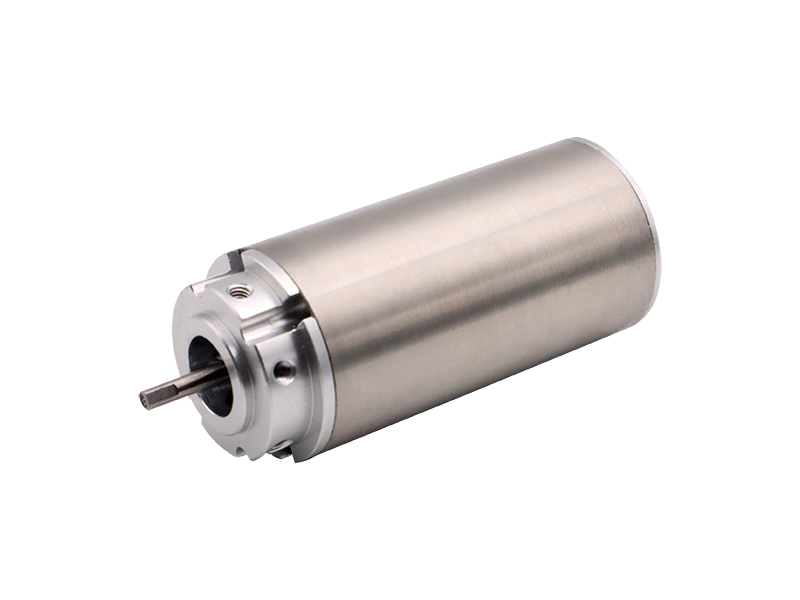
Performance characteristics of brushless motor.
Brushless motors have the same working principle and application characteristics as general motors, but their composition is different. In addition to the motor itself, the former also has an additional commutation circuit, and the motor itself is closely integrated with the commutation circuit. Many low-power motors are integrated with commutation circuits, and from the appearance, brushless motors look exactly the same as motors.
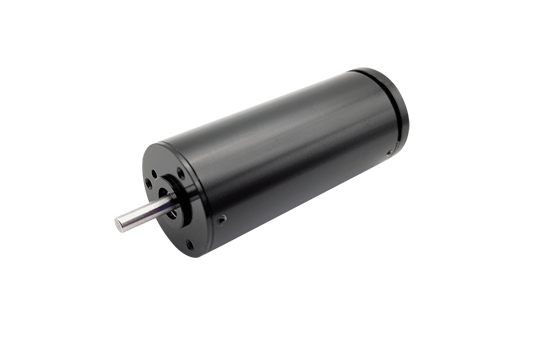
The
brushless motor itself is the electromechanical energy conversion part. In addition to the motor armature and permanent magnet excitation, it also has sensors. The motor itself is the core of a brushless motor, which not only relates to performance indicators, noise and vibration, reliability, and service life, but also involves manufacturing costs and product costs. Due to the use of permanent magnet magnetic field, brushless motors are able to break away from the traditional design and structure of general motors, meet the requirements of various application markets, and develop towards copper and material saving and easy manufacturing. The development of permanent magnet magnetic fields is closely related to the application of permanent magnet materials. The application of third-generation permanent magnet materials has promoted brushless motors towards high efficiency, miniaturization, and energy conservation. It is a static motor with low no-load current; efficient; Small size.