How to use the coreless dc motor humanoid robot.
1. Introduction
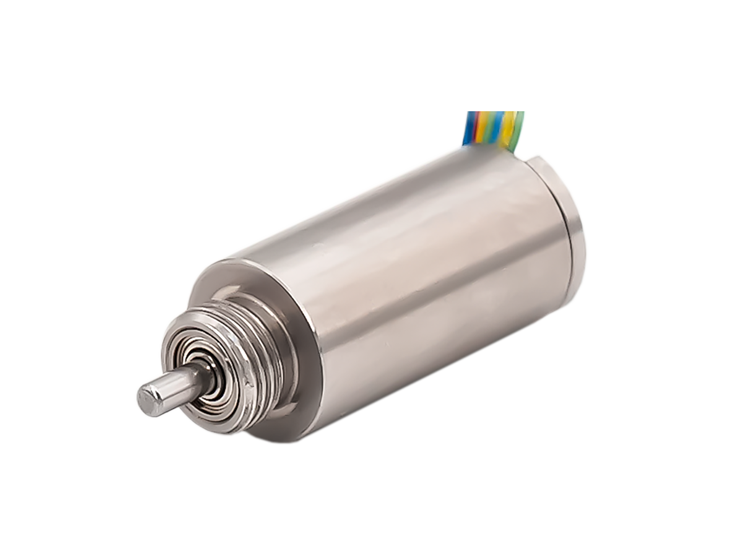
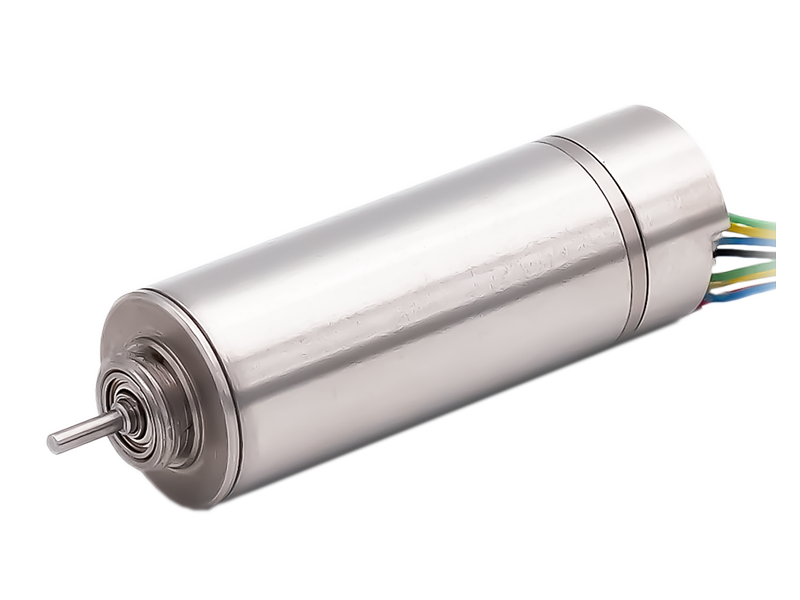
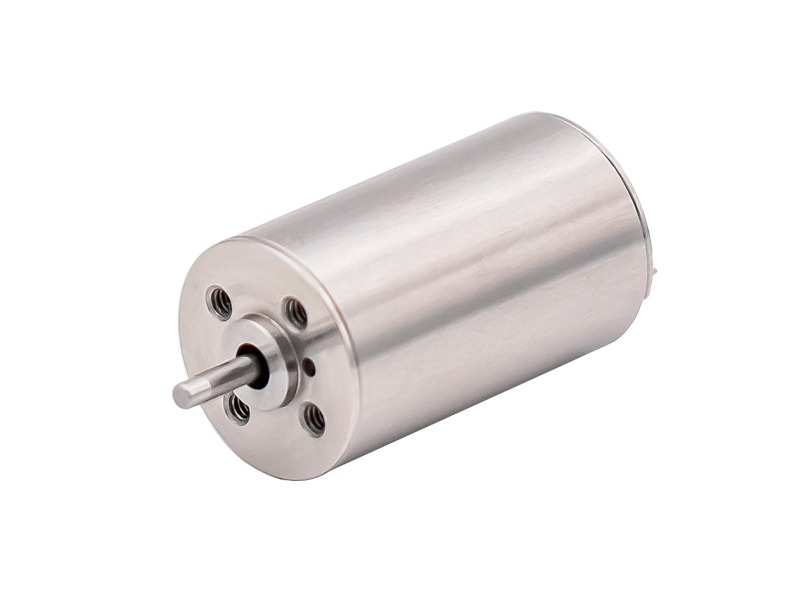
Humanoid robots have become a hot topic in the field of technology in recent years. They not only have realistic appearances, but also can simulate some functions of humans. One of the core components that enables these functions is the motor. Among various types of motors, the coreless DC motor has become a leader in the field of humanoid robots due to its unique structure and performance. This article will explore the application and usage of hollow cup motors in humanoid robots.

2、 Choose the appropriate hollow cup motor
Firstly, we need to select the appropriate hollow cup motor based on the requirements and specifications of the humanoid robot. This includes parameters such as the size, power, and speed of the motor. Generally speaking, smaller hollow cup motors are suitable for humanoid robot components that require high precision and control, such as arms, fingers, etc; Larger motors are suitable for parts that require greater load capacity and stronger power, such as the legs.
In addition, we also need to consider the power supply method and control interface of the motor to ensure compatibility with other systems of the humanoid robot. Some hollow cup motors may also require accessories such as reducers and encoders to achieve more precise control and feedback.
3、 Installation and commissioning of hollow cup motor
When installing the hollow cup motor, we need to first fix it in the corresponding position of the humanoid robot. This can be achieved by designing appropriate mechanical structures and using appropriate fasteners. In the process of fixing the motor, we need to ensure that the axis of the motor is consistent with the motion axis of the robot to avoid generating additional torque and vibration.
Next, we need to debug the motor. This includes checking whether the power supply voltage of the motor is normal, whether the rotation direction is correct, and whether there is abnormal noise and temperature rise. During the debugging process, we can use measuring tools such as oscilloscopes and multimeters to monitor the operating status of the motor to ensure its stable and reliable performance.
4、 Programming the Actions and Functions of Humanoid Robots
After completing the installation and debugging of the motor, we need to implement various actions and functions of the humanoid robot through programming. This usually requires the use of a controller and programming language that is compatible with the motor. In the programming process, we need to set appropriate control strategies and algorithms based on the motion requirements of the humanoid robot and the performance parameters of the motor.
For example, we can program humanoid robots to perform basic actions such as walking, running, jumping, as well as practical functions such as grasping and transporting. When implementing these actions and functions, we need to fully utilize the high precision and responsiveness of the hollow cup motor to ensure smooth, accurate, and efficient movement of the humanoid robot.
5、 Summary and Prospect
This article provides a detailed introduction to the application and usage of hollow cup motors in humanoid robots, including the selection of appropriate motor types, installation and debugging processes, as well as the implementation of various actions and functions through programming. By mastering this knowledge, readers will be able to better understand the importance and application value of hollow cup motors in the field of humanoid robots, and enhance their relevant skills.
Looking ahead to the future, with the continuous advancement of technology and the deepening development of artificial intelligence technology, humanoid robots will have a wider range of application scenarios and richer functions. As one of the core components, the hollow cup motor will further improve and expand its performance and applications. We have reason to believe that in the future, hollow cup motors will inject more vitality and power into the development of humanoid robots.