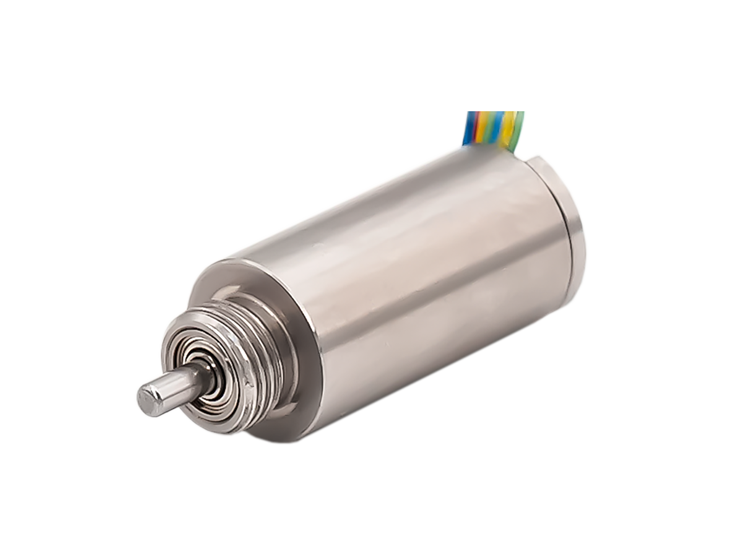
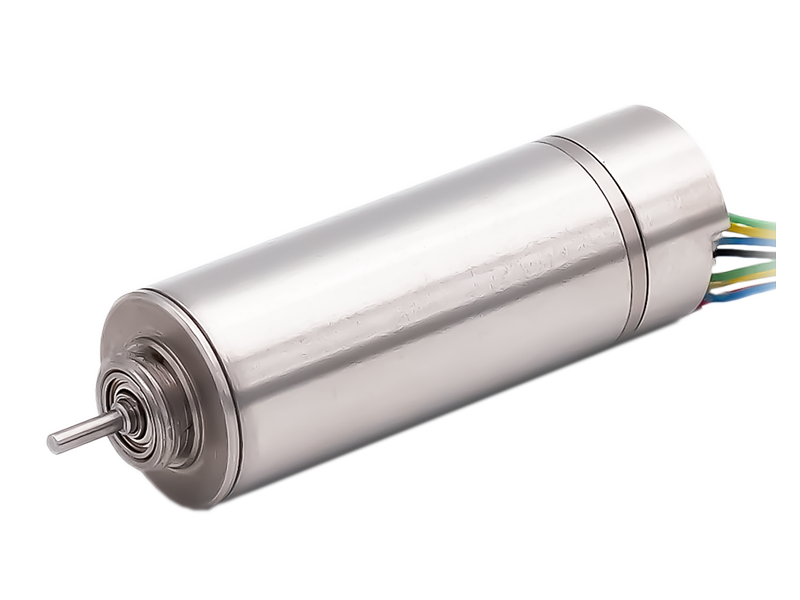
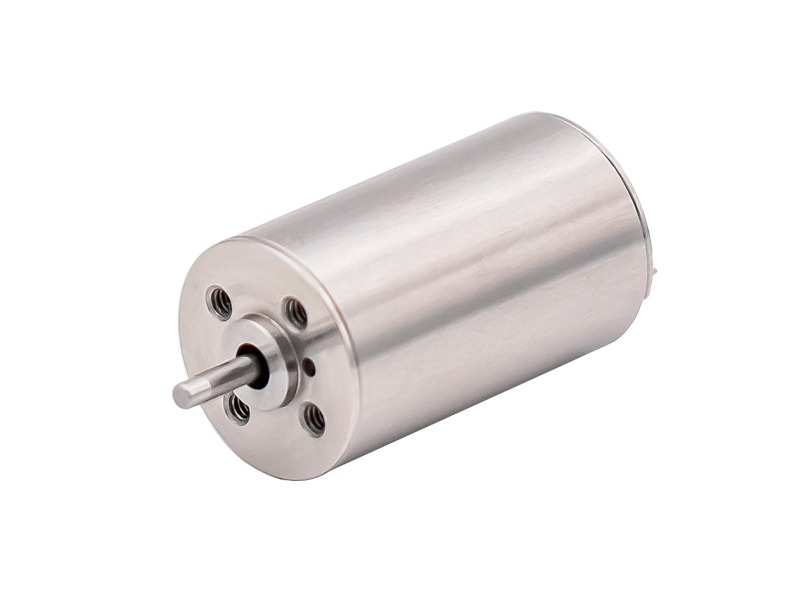
The cleaning ability of a robotic vacuum cleaner mainly depends on the type of motor it uses.
The main types of motors currently used in the market are drum motors, brushless motors, brushless permanent magnet motors, and permanent magnet synchronous servo systems.
In terms of price,
brushless motors priced below 2000 yuan are the best, and in this price range, brushless drum motors are already the highest performance.
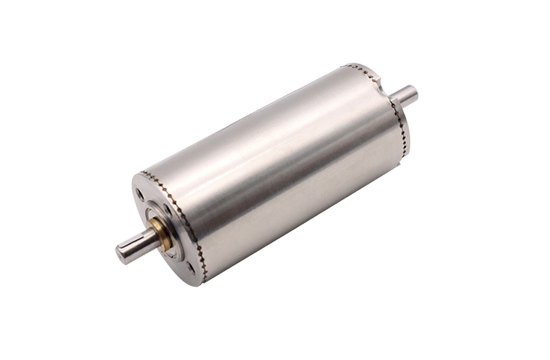
1、 Drum type motor
The advantages of drum type motors are smooth operation, low noise, and the ability to achieve high-speed and high torque operation.
The drum type motor can perform secondary cleaning of dust during the cleaning process, that is, sweeping while sucking.
But this also means that the capacity of the drum motor is relatively small, so the endurance is not very strong, which is quite troublesome for large-scale cleaning.
2、 Brushless motor
Compared with drum motors, the advantages of brushless motors are smoother operation, lower noise, and longer lifespan.
In addition, brushless motors do not produce carbon powder to pollute the environment, which can reduce environmental pollution.
In terms of price, the difference between brushless motors and drum motors is not significant.
But there is a slight deficiency in terms of noise, mainly due to the absence of electric brushes.
3、 Permanent magnet synchronous servo system
The advantages of permanent magnet synchronous servo system are stable performance, long service life, and the ability to reduce the noise generated by the motor during operation, without affecting the user's daily life.
Permanent magnet synchronous servo system is currently a mainstream synchronous motor drive technology, which can ensure the smoothness of motor operation.
However, due to the high price of permanent magnet synchronous servo systems and the inevitable generation of noise during product operation, this technology is rarely used in some mid to low end price ranges.
At present, some high-end sweeping machines in China also adopt brushless permanent magnet servo systems, whose biggest advantage is the ability to achieve a quiet working environment.
At present, the most commonly used sweeping robot is the permanent magnet synchronous servo motor.
However, due to the high price and poor performance stability of permanent magnet synchronous servo motors, many low-end vacuum cleaners are also using this technology.
4、 The principle of brushing is to drive the rolling brush to rotate through the rotation of the motor. The rolling brush runs on a fixed track and drives the ground garbage to be sucked into the dust collection box. The garbage coming out of the dust collection box is filtered by the filter inside the dust box and then sucked into the machine for further cleaning.
Filter and intercept.
Compared with direct suction, the cleaning effect of roller brush is poorer. Dust particles are easily sucked into the dust box, and the machine operation is also affected by dust and hair entanglement on the roller brush.
Direct suction: adopting an upward design of the suction port, it can quickly suck in dust, hair and other garbage.
5、 Brushless motor is driven by gears to rotate the rotor, and the principle of brushless is to achieve cleaning by driving the shaft movement through the rotation of the motor.
4、 A servo system is a system that maintains synchronous motion between the motor speed and the motor, and can achieve real-time intelligent control.
5、 Compared to brushed motors, brushless motors have many advantages, such as long lifespan and low noise.
However, due to the generally short lifespan of brushless motors, this is also why most sweeping robots on the market currently use brushed motors.
In addition, due to the higher cost and serious structural defects of brushless motors compared to brushed motors, it is difficult to use them as the driving mechanism for robotic vacuum cleaners.