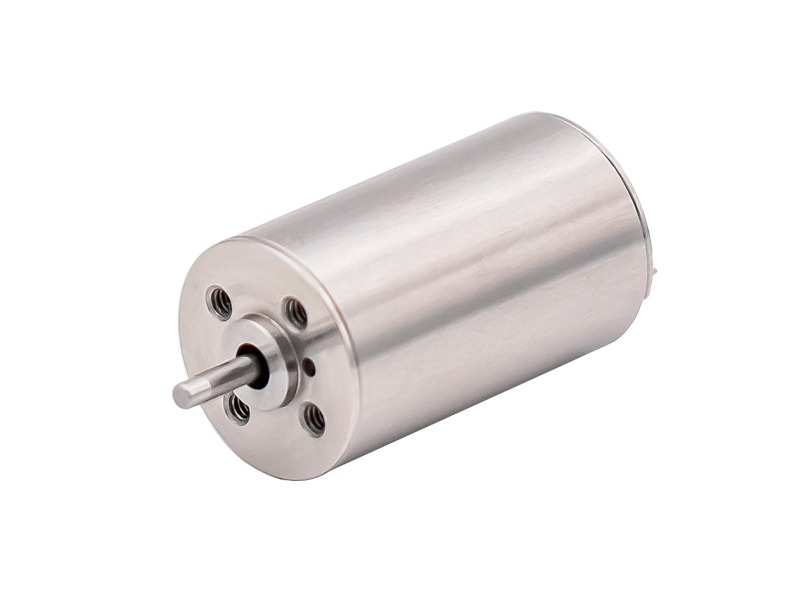
Definition and characteristics of brushed motors.
In the previous article, Topband motor introduced the classification of brushless motors. Today, we will explore the definition and characteristics of brushed motors.
1. Definition of brushed motors
A brushed motor is a type of motor that converts direct current into rotational motion through mechanical contact between carbon brushes and a commutator. Brushed motors are characterized by their simple structure, low cost, and high starting torque.
2. Characteristics of brushed motors
High starting torque: Brushed motors generate significant starting torque due to the large contact area between the carbon brushes and the commutator, making them advantageous in applications requiring high torque for startup.
Simple structure: Brushed motors have a relatively simple structure, consisting of parts such as the stator, rotor, carbon brushes, and commutator. This straightforward design results in lower manufacturing costs, making them suitable for mass production.
Flexible control: The speed of brushed motors can be adjusted by changing the contact position between the carbon brush and the commutator. This makes brushed motors advantageous in applications requiring flexible speed control.
High reliability: Brushed motors have undergone long-term development and application, resulting in a mature and stable structure and performance. This ensures a high level of reliability in brushed motors.
However, brushed motors also have some drawbacks, such as carbon brush wear and commutator failures, which may shorten the motor's lifespan; friction between the carbon brushes and commutator generates noise and heat, affecting motor performance and longevity; and the carbon dust produced by the brushes may cause environmental pollution. These disadvantages precisely highlight the advantages of brushless motors. Tomorrow, we will explore the definition and characteristics of brushless motors.