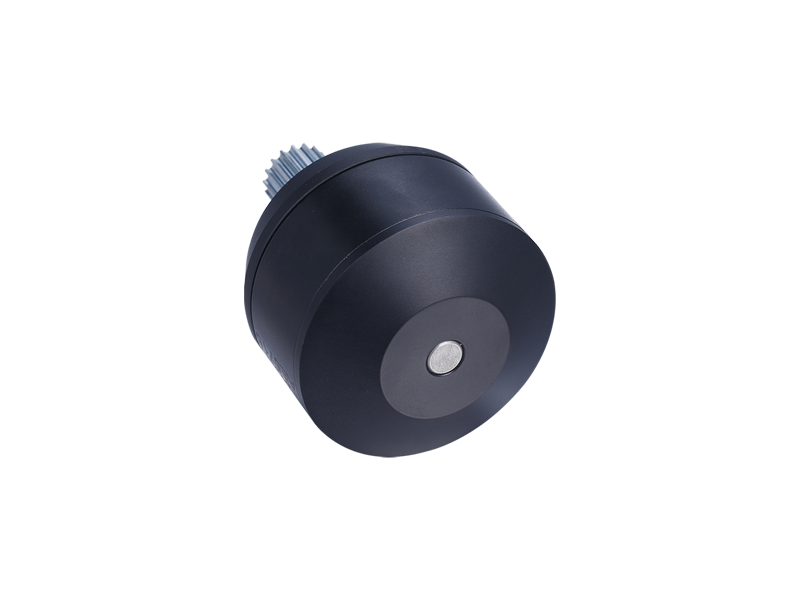
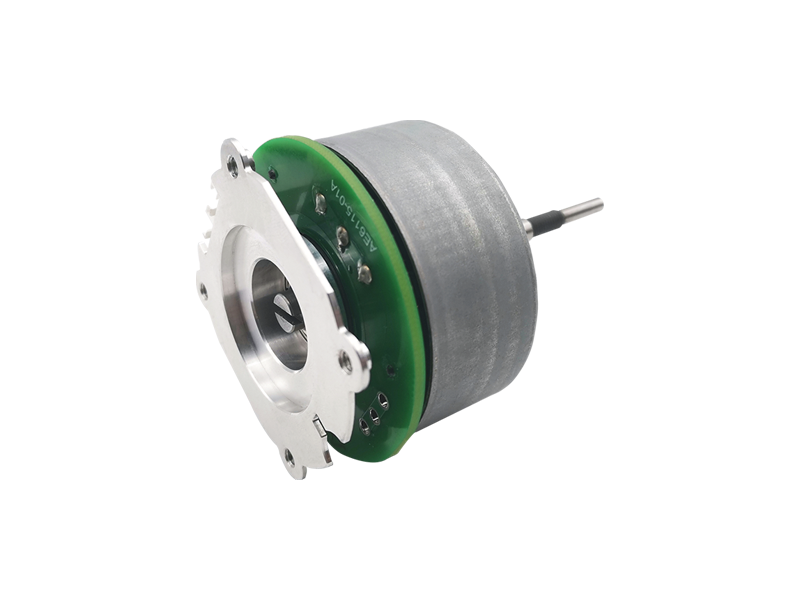
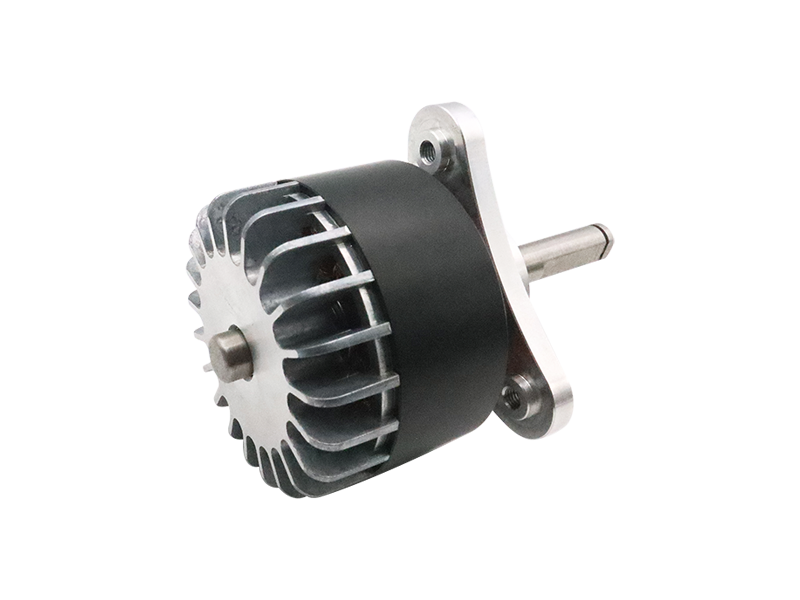
Control principle of brushless motor.
Brushless motor control technology is an important component in modern electronics and automation fields, providing efficient, precise, and reliable motor control in various applications. This article will introduce the basic principles, control methods, and some typical application cases of brushless motor control.
Control principle of brushless motor
The control principle of brushless motors is based on the precise control of motor current and rotor position by electronic controllers. Usually, electronic controllers for brushless motors use sensors or sensor less methods to determine the position of the rotor. The following is the basic principle of brushless motor control:
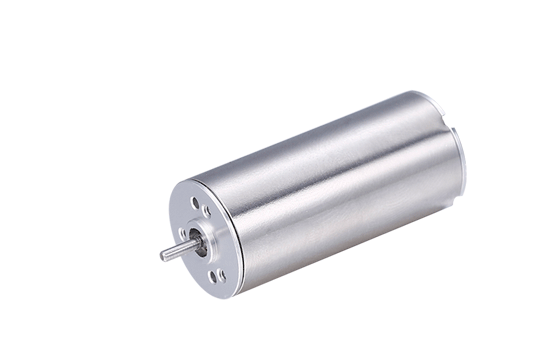
1. Current control: The electronic controller controls the phase current of the motor according to the required current magnitude and direction. This can be achieved through PWM (Pulse Width Modulation) technology, which continuously adjusts the duty cycle of the current to control the speed and torque of the motor.
2. Position control: In order to accurately control the position of the motor, the electronic controller needs to know the position of the rotor. This can be achieved through sensors such as Hall sensors or encoders, or sensor less methods such as back electromotive force detection and chopper control can be used.
3. Closed loop control: In some applications, higher accuracy and stability are required. In this case, the closed-loop control system will continuously monitor the output of the motor and adjust the control parameters based on the difference between the actual output and the expected output to ensure the stable operation of the motor performance under various working conditions.
Brushless motor control method
The control method of
brushless motor can be selected according to the application requirements and accuracy requirements. Here are some common methods for controlling brushless motors:
1. Voltage control: This is a simple method to achieve speed control by directly controlling the input voltage of the motor. However, this method is not precise enough and is susceptible to changes in load.
2. Current control: By controlling the phase current of the motor, better speed and torque control can be achieved. Current control is usually achieved using PWM technology.
3. Position control: For applications that require high-precision position control, position control methods can be used, including PID controllers and vector control.
4. Sensor less control: The sensor less control method determines the rotor position by detecting the back electromotive force of the motor, which reduces cost and complexity, but usually requires more complex algorithms.
Application Cases
Brushless motor control technology has been widely applied in various fields, and the following are some typical application cases:
1. Electric vehicles: Electric vehicles use brushless motor control to achieve efficient power output and recover braking energy.
2. Aerospace: Brushless motors are used for precise attitude control and position adjustment in unmanned aerial vehicles and satellites.
3. Industrial automation: Brushless motors provide high-precision motion control in industrial machinery, robots, and automation equipment.
4. Medical equipment: Brushless motor control in medical equipment is used for precise motion and positioning, such as surgical robots and medical scanning devices.
5. Household appliances: Brushless motor control is widely used in household appliances such as washing machines, vacuum cleaners, and fans.
In short, brushless motor control technology plays a crucial role in modern engineering and technology. It not only provides efficient motor control, but also enables various applications to achieve higher performance and accuracy. With the continuous development of technology, brushless motor control will continue to play an important role in various fields.