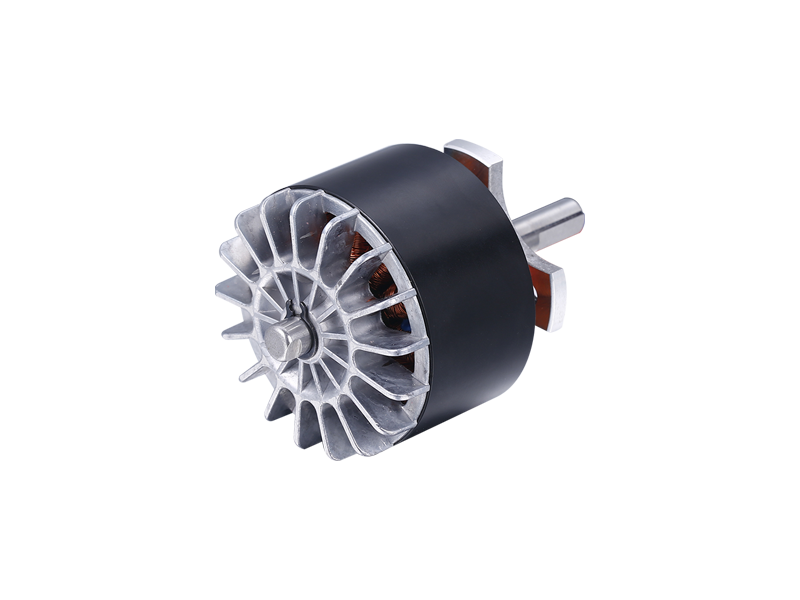
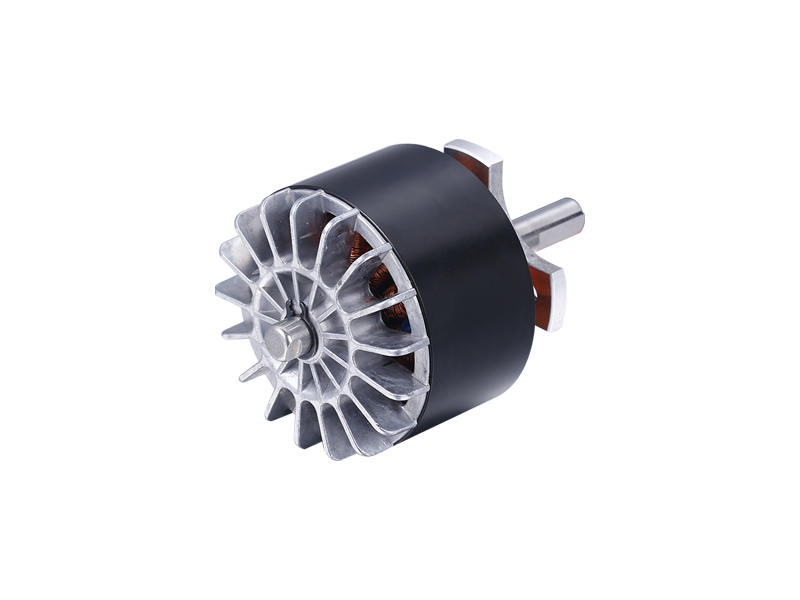
How to choose AGV car motor.
When choosing an AGV car motor, the following factors need to be considered:
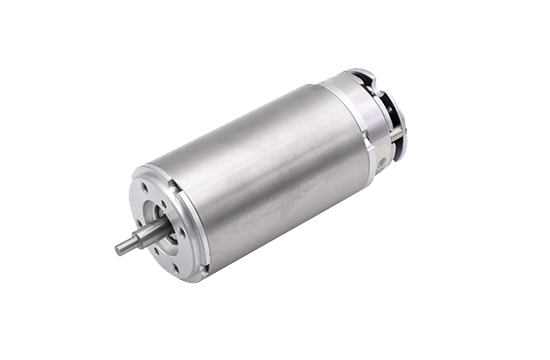
1. Power and speed requirements: Determine the required power and speed range based on specific application scenarios and requirements. This depends on the load capacity of the car, the working environment, and the requirements of the transportation task.
2. Torque and acceleration requirements: Consider the torque and acceleration required during the starting, acceleration, and deceleration processes of the car. High torque and fast acceleration can improve the carrying capacity and maneuverability of the car.
3. Size and weight limitations: Considering the size and weight limitations of the AGV car, choose the appropriate motor size and weight. This depends on the design and structure of the car, and a more compact and lightweight motor should be selected without affecting overall performance.
4. Power requirements: Determine the type and voltage of the power supply provided by the car. When selecting a motor, it is necessary to ensure that the rated power supply of the motor matches the power supply provided by the car.
5. Control mode: Considering the control mode of the motor, stepper motor or DC motor can be selected. The stepper motor has high precision control and is suitable for some scenarios that require fixed-point control. DC motor control is simple, with adjustable speed, suitable for some scenarios that require continuous motion and speed regulation.
6. Reliability and lifespan: Choose motors with high reliability and long lifespan to ensure the stable and reliable operation of the AGV car. Understanding the reputation and product quality of suppliers can refer to feedback and evaluations from other users.
7. Cost considerations: Taking into account the above factors and budget constraints, choose motors with higher cost-effectiveness. Not only should the cost of the motor itself be considered, but also the cost of repairing and replacing the motor.
When selecting AGV car motors, factors such as power and speed requirements, torque and acceleration requirements, size and weight limitations, power requirements, control methods, reliability and lifespan, as well as cost, need to be considered. Select the appropriate motor type and specifications based on specific needs and budget constraints to ensure the performance and reliability of the car.
When choosing an AGV car motor, it is not only necessary to consider the above seven factors, but also to conduct a comprehensive evaluation of the motor's material, manufacturing process, noise, heat dissipation, and other aspects. For example, choosing high-quality materials and sophisticated manufacturing processes can improve the reliability and stability of motors, reducing the cost of repairing and replacing them. In addition, reducing motor noise and improving heat dissipation performance are also important considerations, which can improve the efficiency and comfort of the car. Taking into account the above factors, choosing a suitable motor can effectively improve the performance and reliability of AGV vehicles, providing strong support for achieving intelligent logistics and industrial automation.